
India’s renewable energy sector is witnessing unprecedented growth, signaling a transformative shift in the country’s power landscape. As demand for electricity rises, data centres expand, and decarbonisation commitments strengthen, renewable energy is emerging as the cornerstone of India’s sustainable future.
Pic Credit: Pexel
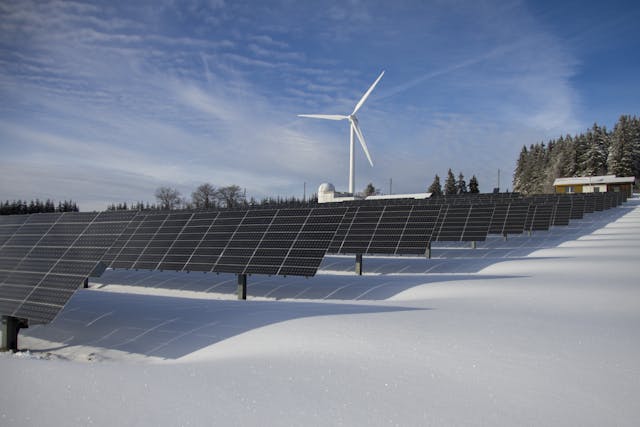
At the forefront of this transition is solar energy, which forms the backbone of India’s 272 GW of non-fossil fuel capacity. This financial year alone, approximately 35 GW of renewable capacity has been added, marking a record pace of expansion. These gains reflect strategic planning in solar deployment, manufacturing priorities, and grid integration.
Solar Power: Driving India’s Energy Transformation
Solar energy has moved from the periphery to the center of India’s energy agenda. “The scale at which solar is growing reflects a structural shift in how we think about power generation,” says an industry expert. The surge includes utility-scale solar farms, rooftop installations, and hybrid energy projects, all contributing to a cleaner grid and reduced reliance on fossil fuels.
Strengthening the Grid
Integrating this rapid capacity growth presents challenges. The intermittent nature of solar requires advanced grid management, energy storage solutions, and smart transmission systems to ensure stable supply. Operators are increasingly deploying forecasting tools and storage technologies to maintain reliability as more renewable power comes online.
Data Centres and Renewable Demand
The expansion of India’s data centre industry is another major driver. As cloud computing, AI, and digital services proliferate, these centres are becoming significant energy consumers. Many are now sourcing electricity directly from renewable projects or through green energy certificates, aligning business growth with sustainability commitments.
The Road to 500 GW
India has set an ambitious target of 500 GW of non-fossil fuel energy by 2030, and the current trajectory shows strong momentum. Solar energy is expected to remain the dominant contributor, complemented by wind, bio-energy, and emerging technologies like green hydrogen. Achieving these targets will not only advance India’s climate commitments but also stimulate employment, industrial development, and energy security.
Economic Opportunities in Renewables
Beyond environmental benefits, the renewable sector is a growing economic engine. Investments in panel manufacturing, storage solutions, and project development are creating high-skill jobs and boosting regional economies. Analysts note, “Renewable energy is becoming as much an economic opportunity as an environmental necessity.”
Looking Ahead
India’s green energy journey is a story of ambition, innovation, and resilience. With solar leading the way, the country is charting a path toward a sustainable, inclusive, and economically vibrant energy future. By 2030, India aims to not only meet its renewable targets but also emerge as a global leader in clean energy deployment.

Leave a Reply