
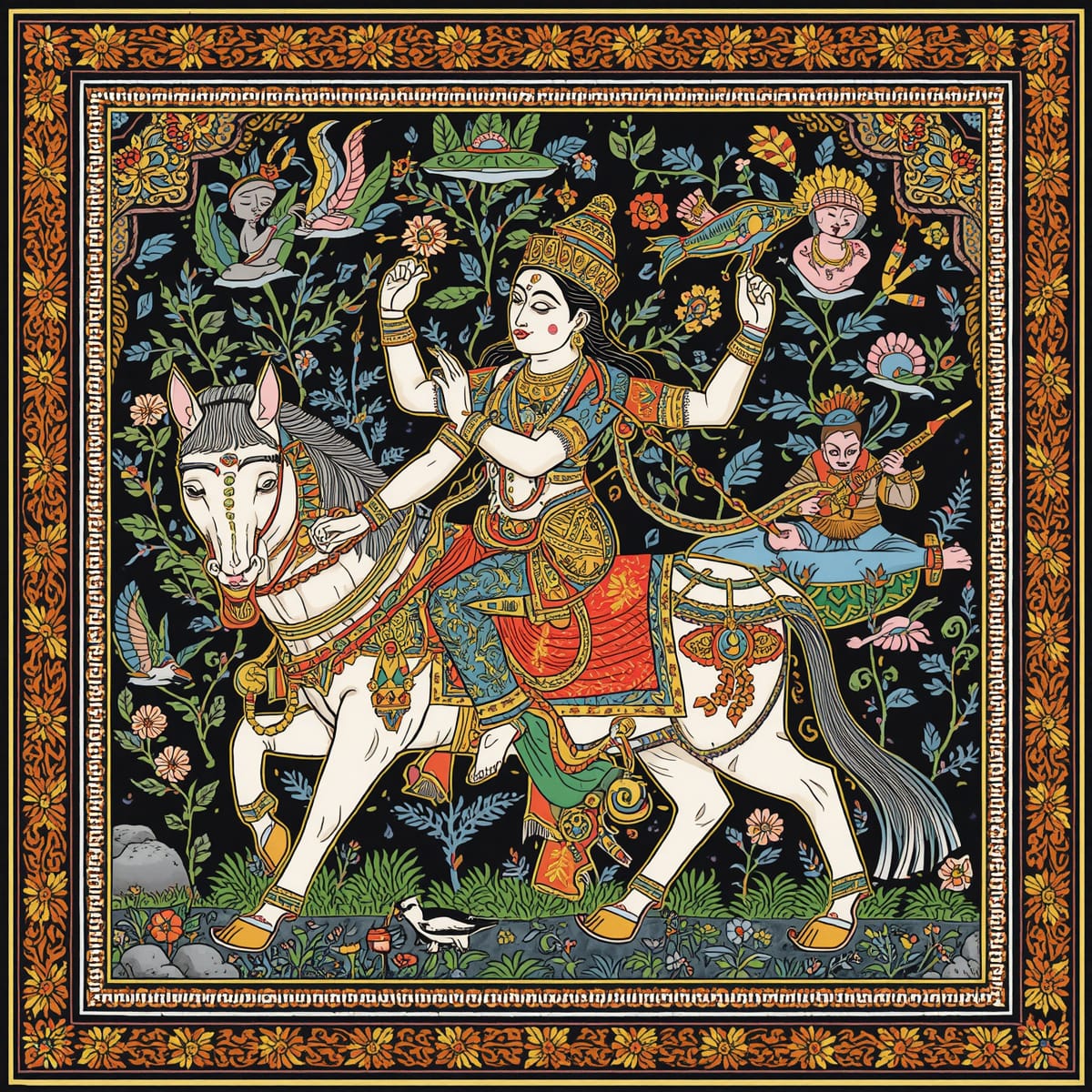
An ancient scroll painting tradition from Odisha and West Bengal, Pattachitra is celebrated as a vivid visual blend of mythology, devotion, and folktales. Originating in Puri, this intricate art form was historically tied to temple rituals and rural storytelling, capturing the sacred stories of Hindu deities with painstaking precision. Over the years, Pattachitra has quietly transformed, finding new life beyond temple walls.
The Origins of a Divine Craft
The term “Pattachitra” comes from the Sanskrit words patta (cloth) and chitra (picture), literally meaning “picture on cloth.” Traditionally, chitrakars—the skilled artists of this craft—immortalized tales from Hindu mythology, with Lord Jagannath, Krishna, and Vishnu being popular subjects. These paintings were deeply intertwined with devotional practices, often created for temple rituals like Rath Yatra and Nava Kalevara, during which deities are ceremonially repainted.
From Temple to Modern Canvas
While the stories have remained timeless, the canvas for Pattachitra has expanded. Once confined to temple walls and scrolls, the art form now thrives in homes, studios, galleries, and even digital spaces. Circular borders and mythological narratives remain central, but the form has evolved: contemporary artists are infusing Pattachitra motifs into fashion, furniture, wall murals, and collectibles. Today, the art can be seen on silk sarees, tote bags, and even laptop sleeves, making this ancient craft accessible to a global audience.
Techniques That Stand the Test of Time
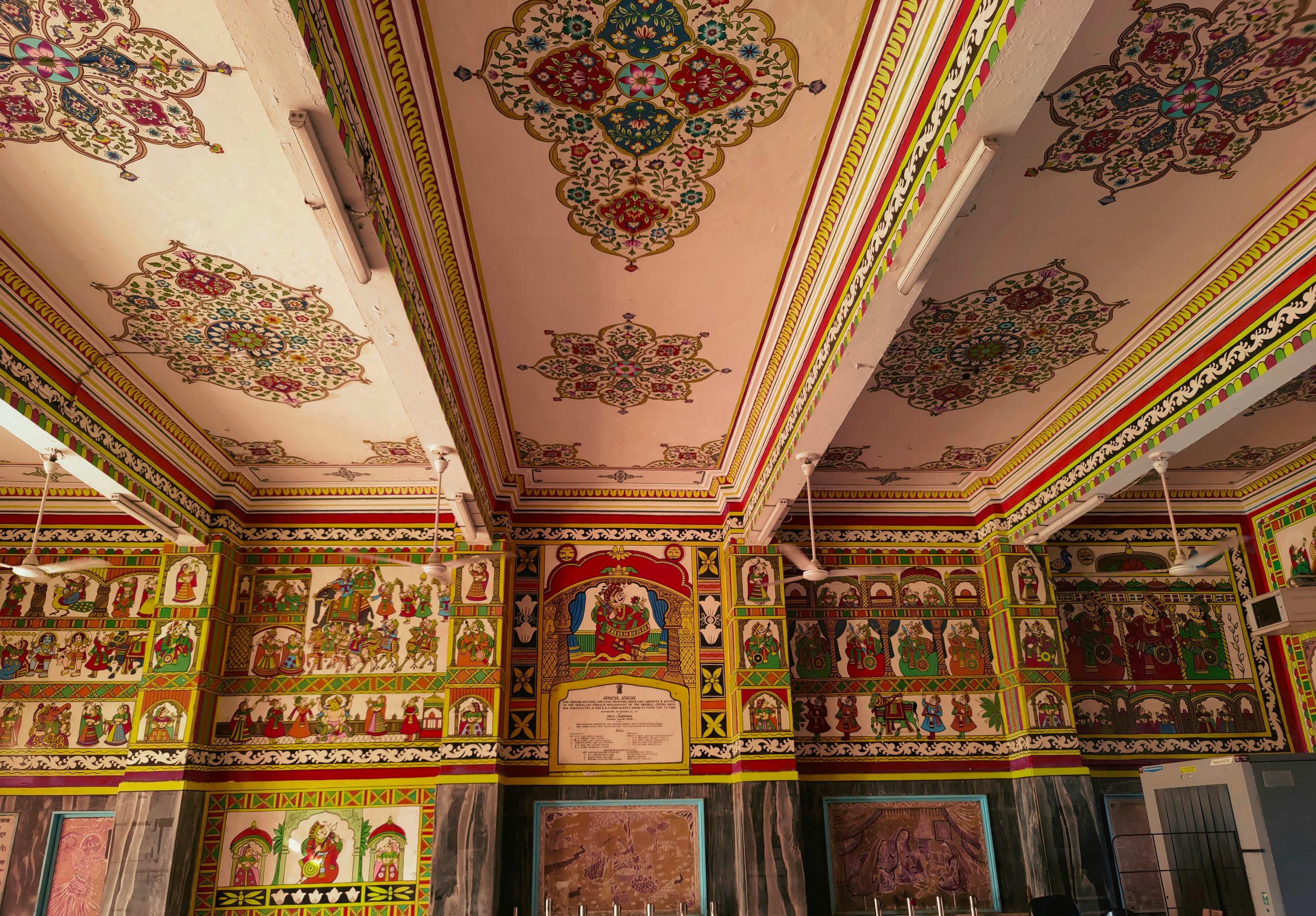
Despite its evolution, traditional Pattachitra techniques remain meticulously preserved. Artists prepare their canvas by treating cotton cloth with tamarind seed paste and chalk, then create pigments from hand-ground conch shells, minerals, and vegetable dyes mixed with gum. Each painting is entirely freehand—no pencil markings—relying on memory, skill, and disciplined focus to bring stories to life with enduring precision.
A Modern Patronage
Urban buyers and conscious consumers have played a crucial role in this quiet transformation. There is a growing appreciation for authenticity, sustainability, and storytelling in art. Contemporary collaborations between design studios, curators, and traditional chitrakars are expanding the reach of Pattachitra, while online platforms allow artists to connect with a global audience, ensuring the craft continues to thrive in the modern era.
Art Rooted in Devotion
At its heart, Pattachitra remains a devotional practice. Even in its contemporary forms, it retains the essence of sacred storytelling and folklore. Whether displayed above a temple altar or on a minimalist urban bookshelf, each piece invites viewers to pause, reflect, and marvel at the devotion, skill, and cultural heritage woven into every brushstroke.

Leave a Reply