
India has achieved a landmark moment in its quest for energy self-reliance with the indigenously built Prototype Fast Breeder Reactor (PFBR) at Kalpakkam reaching criticality. Prime Minister Narendra Modi called it a “defining step” in India’s civil nuclear journey, highlighting the nation’s growing expertise in advanced science and engineering.
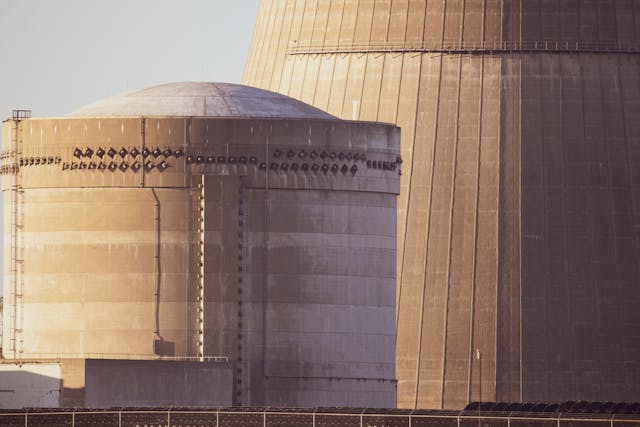
Pic Credit: Pexel
A Journey Years in the Making
Criticality is the moment when a nuclear reactor achieves a self-sustaining chain reaction—a key milestone before it begins full-scale power generation. For the scientists and engineers behind the PFBR, it is the culmination of decades of research, careful planning, and relentless effort.
The PFBR forms the second stage of India’s unique three-stage nuclear programme, a long-term vision designed to harness the country’s vast energy resources and reduce dependence on imported fuels.
Why the PFBR Is Special
Unlike conventional reactors, the PFBR is a “breeder” reactor—it produces more fuel than it consumes. This ability is vital for India, which has limited uranium but abundant thorium reserves. By generating additional fissile material, the reactor supports a closed nuclear fuel cycle and strengthens the country’s energy security.
This achievement is not just about producing electricity—it is about laying the foundation for future thorium-based reactors, which will form the third stage of India’s nuclear programme. Thorium, more abundant in India than uranium, has the potential to provide cleaner, safer, and virtually inexhaustible energy.
A Global Achievement
With the PFBR, India joins a small group of countries, including Russia, capable of operating commercial fast breeder technology. It demonstrates the country’s ability to innovate and execute complex scientific projects at a global standard.
Looking Ahead
While criticality is a major milestone, the PFBR’s journey is far from over. The next phase will involve fine-tuning the reactor, scaling operations, and eventually integrating it into India’s energy grid.
For millions of Indians, this development represents more than technology—it symbolizes a step toward energy independence, sustainable growth, and a future where the nation can harness its own resources to power homes, industries, and progress.
The PFBR is a reminder that innovation and perseverance can turn ambitious visions into reality, securing energy for generations to come.

Leave a Reply