
Keonjhar, June 9 (UDN): Academic excellence is colliding with economic hardship in Odisha’s Keonjhar district, where several meritorious Plus-II students from tribal and economically weaker communities are struggling to pursue higher education despite achieving remarkable results.
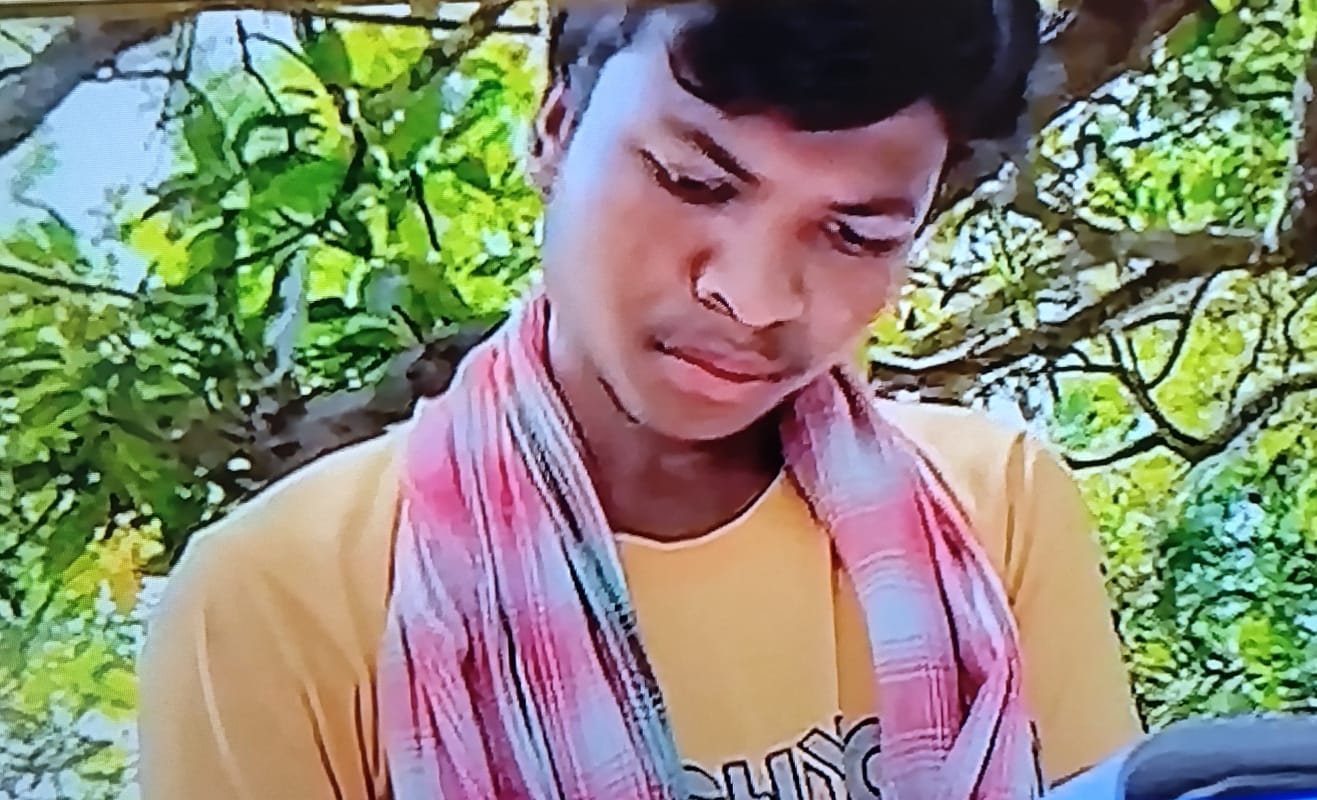
Among them is Manas Dehuri, a resident of Sudanga village, who secured an impressive 85 percent marks in this year’s Plus-II examinations. However, instead of preparing for college admission, the young achiever now spends his days herding goats to save money for his educational expenses.
His story is echoed by Bilochan Juang, another high-performing student from a marginalized tribal family. Despite his academic success, Bilochan has taken up work at a local hotel in an effort to finance his college education and support his family’s limited income.
The plight of these students has drawn attention to a growing concern in the district’s education sector—while academic merit opens doors to opportunities, financial constraints continue to prevent many deserving students from walking through them. With limited access to scholarships, educational loans, and financial assistance schemes, several talented students find themselves forced into labour rather than classrooms.
Teachers, social activists, and local residents have expressed concern over the situation, stating that no student should be deprived of higher education due to poverty. They have urged the government, corporate organizations, charitable institutions, and philanthropists to extend financial support to deserving students from disadvantaged backgrounds.
Education experts believe that targeted scholarship programs and timely intervention can help prevent talented youth from dropping out and ensure that economic hardship does not become a barrier to academic aspirations.
The stories of Manas and Bilochan serve as a powerful reminder that while hard work and talent can lead to academic success, sustained support is essential to transform educational achievement into a brighter future.
Leave a Reply