
By Sarika Alagh
Step into any Indian kitchen, and you will find more than just ingredients-you will discover a treasure chest of history, healing, and flavour. Indian spices carry centuries of wisdom, cultural traditions, and medicinal benefits that have stood the test of time.
A Legacy Rooted in Ancient Traditions
Indian spices have been used for thousands of years, deeply rooted in practices like Ayurveda. It creates an ancient system that just doesn’t treat illness—it focuses on balance, prevention, and harmony between mind and body. Spices play a central role in this philosophy.
Long before modern medicine, Indian households relied on spices as daily remedies. A pinch of this, a dash of that—and suddenly, your meal isn’t just delicious, but also healing.
The Stars of the Spice Box
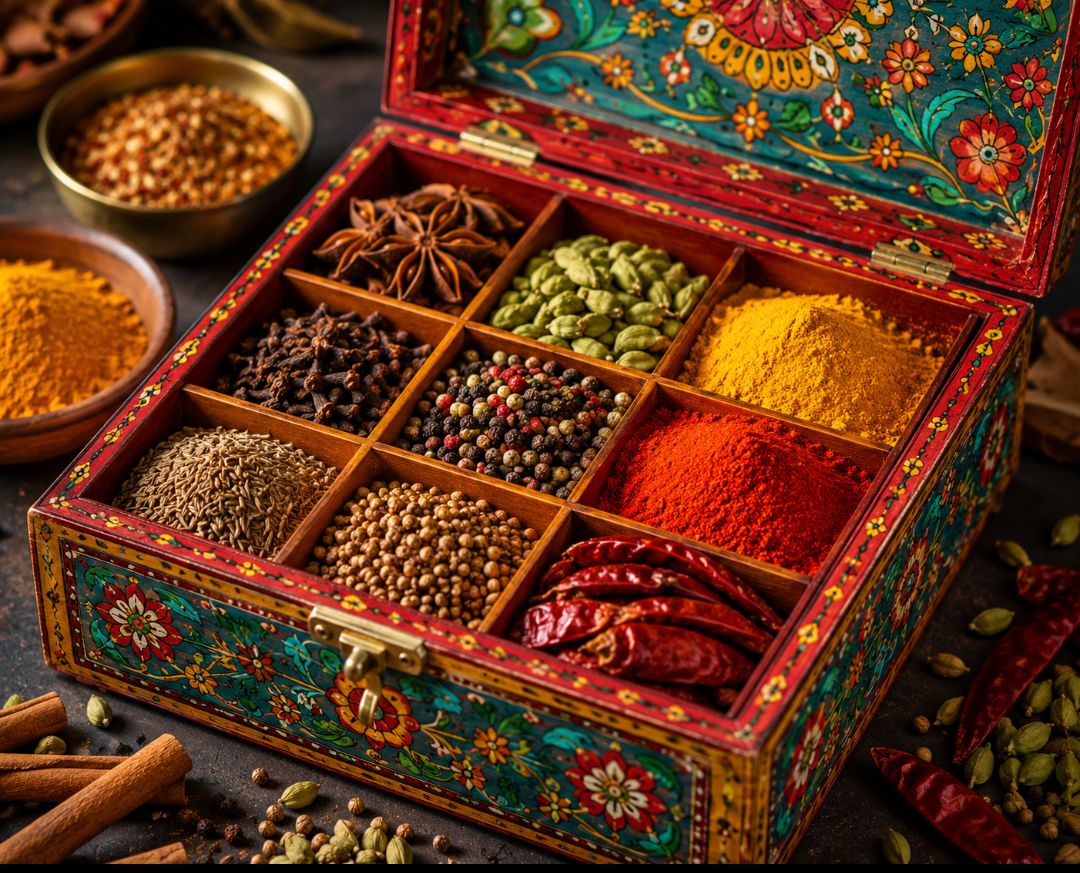
Every Indian kitchen has its own “masala dabba” (spice box), but some spices are universally loved. Let’s explore them:
1.Turmeric (Haldi) – The Golden Healer: Bright, earthy, having its active compound curcumin, which makes it an iconic spice. It has powerful anti-inflammatory and antioxidant properties. From adding warmth to curries to being mixed in warm milk, it goes on boosting immunity. It has now become a star of a global wellness trend.
2.Cumin (Jeera) – The Digestive Hero: Small, warm with nutty flavour, often are the first one to hit hot oil in Indian cooking. Traditionally, cumin has been used to aid digestion, reduce bloating, and improve metabolism. A simple cumin water drink is a very popular morning ritual in many homes.
3.Cardamom (Elaichi) – The Queen of Aroma: Its sweet, floral fragrance elevates everything from chai to desserts. As you open the box, you will know why it’s called the ‘queen of spices.’ It’s not a spice—it’s an experience.
4.Cloves (Laung) – The Tiny Powerhouse: Cloves are intense, both in flavour and benefits. Just one or two cloves can transform a dish, adding depth and warmth that lingers. They have been used in remedies for toothaches and throat infections.
5.Bay Leaf (Tej Patta): Fragrant leaf that adds subtle depth to curries and rice.
6.Nutmeg (Jaiphal): Warm, sweet spice used in desserts and rich gravies.
7.Mace (Javitri): Delicate, aromatic covering of nutmeg with refined flavour.
8.Carom Seeds (Ajwain): Small but bold, thyme-like seeds known for relieving indigestion.
9.Nigella Seeds (Kalonji): Slightly bitter, with medicinal value.
10.Saffron (Kesar): Luxurious spice that adds colour, aroma, and true richness.
11.Dry Mango Powder (Amchur): Tangy powder that gives a citric kick to dishes.
12.Garam Masala: A warm blend of spices that brings depth and aroma to Indian cooking.
13.Rock Salt (Sendha Namak): Natural salt used in fasting and traditional dishes.
14.Himalayan Pink Salt: Mineral-rich salt known for its colour and subtle flavour.
15.Black Salt (Kala Namak): Sulphur-rich salt with a strong, tangy taste, used in chaats, salads, and raitas. It aids digestion and reduces bloating.
16.Iodized Salt: Table salt fortified with iodine to support thyroid health.
17.Epsom Salt: Mineral compound used for baths and wellness, not for cooking purposes.
A Timeless Treasure
Indian spices are more than ingredients—they are storytellers. Each spice carries a legacy of trade, tradition, and transformation. For food lovers, embracing these spices isn’t just about cooking—it’s about connecting with a culture that sees food as nourishment for both body and soul.
So the next time you open your spice jar, take a moment. In that tiny pinch lies centuries of wisdom, waiting to be rediscovered.
Sarika Alagh is a hospitality and culinary writer with a keen interest in food, culture, and contemporary dining experiences. Through her writing, she explores emerging trends, industry developments, and the people shaping the world of hospitality, while inspiring readers to appreciate the craft, creativity, and stories behind every culinary experience.
|
|
Leave a Reply