
Bhubaneswar, Oct 13 (UDN): Odisha generates approximately 45 million tonnes of fly ash every year from thermal power plants, prompting the state government to intensify efforts to achieve complete utilisation of the industrial by-product while minimising its environmental and public health impacts.
Pic Credit: x.com/spcbOdisha
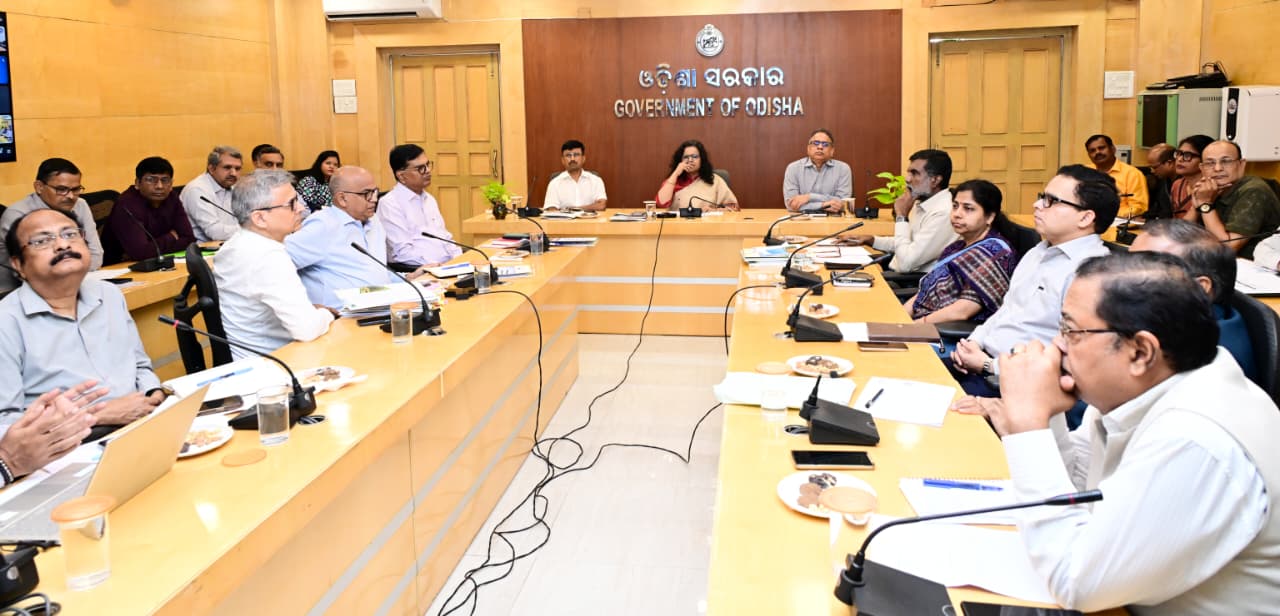
The issue came up for discussion at a meeting convened by the Odisha State Pollution Control Board (OSPCB) at Lok Seva Bhawan on Tuesday. The meeting was chaired by Chief Secretary Anu Garg and focused on strengthening monitoring mechanisms, ensuring safe transportation and expanding the industrial use of fly ash.
According to data presented at the meeting, Odisha achieved a fly ash utilisation rate of 98.63 per cent during 2025-26. The government is now seeking to close the remaining gap and move towards 100 per cent utilisation through stricter enforcement, improved logistics and greater adoption of fly ash-based products.
Five Districts Under Special Focus
Jharsuguda, Sundargarh, Sambalpur, Angul and Dhenkanal have been identified as key districts requiring focused attention on fly ash management. Collectors of these districts participated in the meeting virtually to discuss local challenges and possible interventions.
Officials expressed concern over the transportation of fly ash in uncovered or inadequately covered vehicles. Such practices can cause dust pollution, contaminate soil and water, and potentially damage agricultural land.
The meeting stressed that fly ash must be transported in fully covered vehicles and handled in accordance with environmental regulations. Its use for filling low-lying areas and abandoned mine voids must also follow prescribed procedures, including proper site preparation, transportation management and subsequent land reclamation.
Fly Ash to Be Promoted as an Industrial Resource
Emphasising the need to view fly ash as a valuable resource rather than waste, officials discussed expanding its use across construction and manufacturing sectors.
Potential applications include cement production, ready-mix concrete, geopolymer-based construction materials, sintered ash aggregates, road construction and embankments.
The meeting also explored measures to encourage the production of fly ash-based goods, support micro and small enterprises, and establish cement grinding units near thermal power plants. Such initiatives could help create sustained demand and reduce the burden of long-term ash storage and disposal.
Identifying abandoned mines suitable for fly ash utilisation was another measure discussed, subject to compliance with environmental safeguards.
GPS Tracking, Digital Certificates Proposed
To strengthen accountability and prevent illegal dumping, the OSPCB proposed a technology-based system to monitor fly ash transportation and disposal.
The proposed mechanism would incorporate GPS-enabled vehicle tracking, QR code-based digital consignment certificates, monitoring of approved transportation routes and verification of deliveries at designated destinations. Automated alerts would also help authorities identify route deviations and potential violations.
The meeting further discussed revising standard operating procedures for filling low-lying areas, strengthening district-level task forces and establishing a dedicated fly ash management cell within the OSPCB.
Coordinated Action for Environmental Protection
Chief Secretary Anu Garg called for stronger coordination among government departments, the Pollution Control Board, district administrations, industries and other stakeholders to improve compliance and reduce the environmental risks associated with fly ash.
Senior officials from the Chief Minister’s Office and departments dealing with Energy, Electronics and Information Technology, Forest, Environment and Climate Change, Panchayati Raj and Drinking Water, and Rural Development attended the meeting, along with representatives of industrial organisations.
With annual generation estimated at 45 million tonnes, effective utilisation and responsible handling of fly ash remain important environmental priorities for Odisha. The proposed measures seek to strengthen regulatory oversight while expanding industrial applications, with the ultimate objective of achieving 100 per cent utilisation and reducing the risks associated with improper disposal.
Leave a Reply