
We are living in an extraordinary era where human intelligence and artificial intelligence are coming together to reshape the world. From creating beautiful works of art to solving complex scientific problems, Artificial Intelligence (AI) is transforming the way people think, work, communicate, and innovate. What once seemed like science fiction has become an essential part of everyday life.
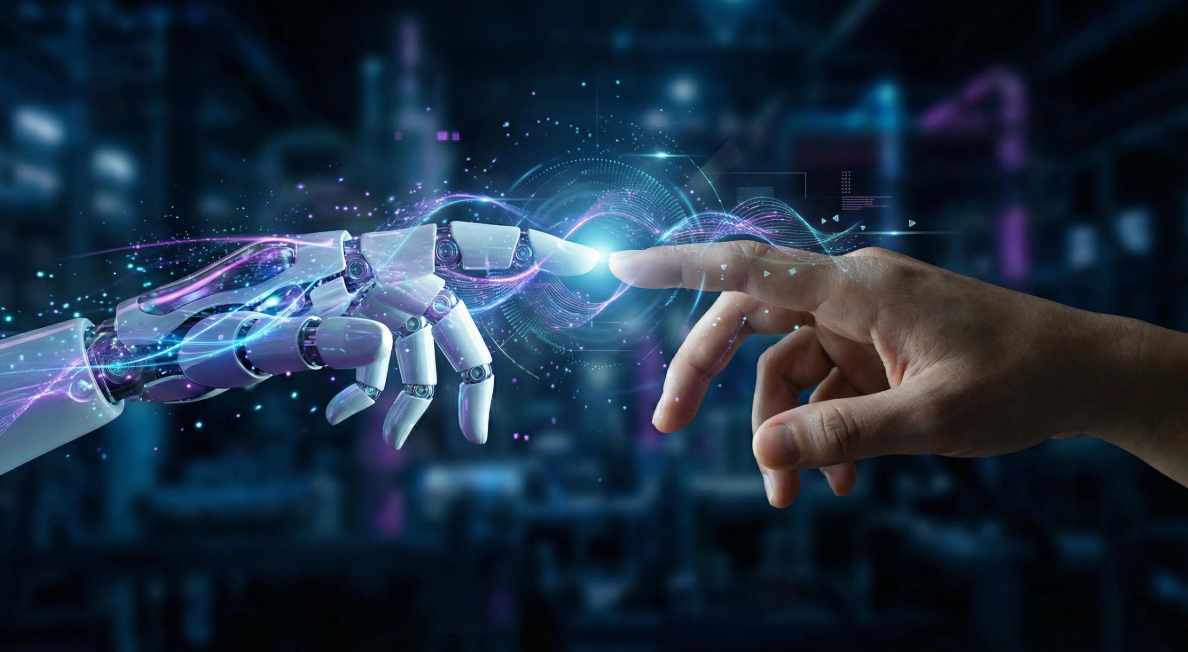
But the real magic does not lie in machines replacing human intelligence. It lies in what happens when human creativity combines with the speed, accuracy, and analytical power of AI. Human beings bring imagination, emotions, experiences, and original ideas, while AI contributes computational strength, data analysis, and the ability to process information at remarkable speeds.
Together, they create opportunities that neither could achieve as effectively alone. This powerful partnership represents a new chapter in the evolution of technology and human potential.
The Power of Human Creativity
Human creativity is one of the most remarkable qualities that distinguishes us. It allows us to imagine possibilities beyond reality, express emotions through art, develop innovative solutions, and transform ordinary ideas into extraordinary achievements.
Every great invention, inspiring story, beautiful painting, and scientific breakthrough begins with human curiosity and imagination.
Unlike machines, humans can draw inspiration from personal experiences, emotions, cultural backgrounds, and unexpected situations. Creativity is not simply about producing something new; it is also about giving meaning and purpose to what we create.
Even in a world increasingly influenced by AI, human creativity remains an invaluable resource.
Artificial Intelligence: The Smarter Machine
Artificial Intelligence refers to technologies that enable computers and machines to perform tasks that traditionally require human intelligence.
These tasks include learning, reasoning, understanding language, recognizing images, generating content, and solving problems.
Today, AI is making significant contributions across different industries:
-
Education: AI-powered learning platforms help students understand difficult concepts and receive personalized guidance.
-
Healthcare: AI assists medical professionals in analyzing medical images, identifying patterns, and supporting research.
-
Business: Intelligent systems automate repetitive tasks, analyze market trends, and improve decision-making.
-
Entertainment: AI supports music production, video editing, animation, and digital storytelling.
-
Science: Researchers use AI to analyze complex datasets and accelerate scientific discoveries.
AI is not just a technological advancement; it is becoming a powerful tool for expanding human capabilities.
When Human Intelligence Meets Artificial Intelligence
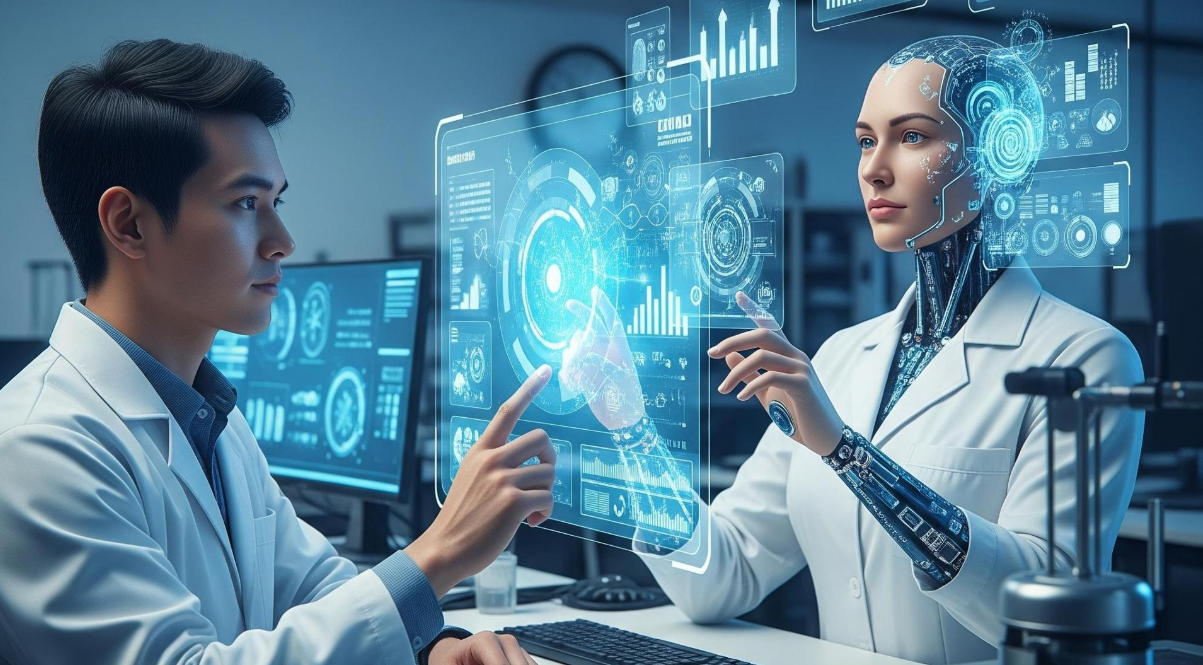
The most exciting developments happen when humans and machines work together.
Imagine a writer using AI to explore fresh ideas, a designer using intelligent tools to experiment with creative concepts, or a scientist using machine learning to discover patterns hidden within millions of data points.
In each situation, AI enhances the creative process, but human intelligence provides direction, judgment, and purpose.
This collaboration offers three major advantages:
Enhanced Creativity: AI can generate suggestions, explore different approaches, and help people overcome creative blocks.
Increased Productivity: Intelligent automation reduces repetitive work, allowing individuals to focus on strategic thinking and meaningful activities.
Better Problem-Solving: AI can analyze enormous amounts of information, while humans interpret results using experience, ethics, and critical thinking.
The result is not simply smarter machines or more productive people. It is a smarter way of working.
AI as a Partner, Not a Replacement
One of the biggest questions surrounding artificial intelligence is whether machines will eventually replace human workers.
Although AI can automate many tasks, it cannot fully reproduce the depth of human emotions, personal experiences, moral understanding, and social relationships.
A machine can generate a poem, but a human poet can express genuine personal experiences through words. AI can suggest a business strategy, but human leaders must consider responsibility, values, and the consequences of their decisions.
The future should therefore focus on collaboration rather than competition.
Instead of asking, “Will AI replace humans?” we should ask, “How can humans use AI to achieve more?”
This shift in perspective is essential for building a future where technology supports human progress.
Transforming Education Through AI
Education is one of the areas where human-AI collaboration can create extraordinary opportunities.
Traditional education often follows a common learning approach, even though every student has different abilities, interests, and learning speeds.
AI-powered educational tools can help personalize learning experiences by identifying knowledge gaps, recommending resources, and providing instant explanations.
Students can use AI to:
-
Understand complex subjects through simple explanations.
-
Practice languages and improve communication skills.
-
Explore creative projects and research topics.
-
Receive feedback on their learning progress.
-
Develop critical thinking and problem-solving abilities.
However, students must remember that AI should support learning, not replace independent thinking. Genuine knowledge comes from questioning, understanding, practicing, and applying information.
The Challenges of an AI-Powered World
Despite its enormous potential, artificial intelligence also introduces important challenges.
Privacy and Data Security: AI systems often process large amounts of information, making responsible data protection essential.
Misinformation: AI-generated content can sometimes spread misleading information, making fact-checking increasingly important.
Job Displacement: Automation may change employment opportunities and require workers to develop new skills.
Bias and Fairness: AI systems can produce unfair outcomes when trained on biased or incomplete data.
Overdependence on Technology: Excessive reliance on AI may weaken independent thinking and problem-solving abilities.
Addressing these challenges requires responsible innovation, strong ethical standards, human oversight, and continuous education.
Technology becomes truly powerful when it is developed and used responsibly.
The Future: A World of Unlimited Possibilities
The future of artificial intelligence will not be defined only by faster computers or more advanced algorithms. It will be defined by how effectively technology improves human life.
In the coming years, AI may help scientists develop new treatments, support sustainable cities, improve accessibility, strengthen education, and accelerate innovation.
Creative professionals may use intelligent tools to explore ideas that were previously difficult or impossible to realize. Entrepreneurs may develop innovative businesses with fewer resources. Students may gain access to personalized learning opportunities regardless of their geographical location.
However, the greatest achievements will depend on maintaining a balance between technological progress and human values.
Curiosity, empathy, imagination, creativity, and ethical responsibility will remain essential qualities in an AI-driven world.
Human Creativity Will Always Matter
Artificial intelligence can process information, recognize patterns, and generate impressive results. Yet human beings bring something equally important: the ability to understand why something matters.
Creativity is more than producing content. It involves emotions, imagination, cultural understanding, personal expression, and the courage to challenge existing ideas.
AI can become a powerful creative assistant, but humans must remain the thinkers, decision-makers, and visionaries behind meaningful innovation.
The future belongs to those who know how to combine technological knowledge with uniquely human abilities.
Conclusion: Together, We Can Create a Smarter Future
“Smart Minds, Smarter Machines” is more than a technological concept; it represents an opportunity to redefine the relationship between humanity and innovation.
Artificial intelligence gives us powerful tools, but human intelligence gives those tools direction. Machines can increase speed, improve efficiency, and uncover possibilities, while people contribute imagination, compassion, wisdom, and purpose.
The goal should never be to create a world where machines replace human creativity. Instead, we should build a world where technology empowers people to think bigger, create better, and achieve more.
Ultimately, the smartest future will not belong to machines alone or humans alone. It will belong to the powerful partnership between the two.
Leave a Reply