
Sambalpur, a vibrant city in western Odisha, is renowned for its rich cultural heritage and historical significance. Situated along the banks of the Mahanadi River, it is not just a commercial hub but also a living canvas of tradition, art, and music. The city’s unique blend of geography, culture, and history makes it an extraordinary center for exploring India’s artistic legacy.
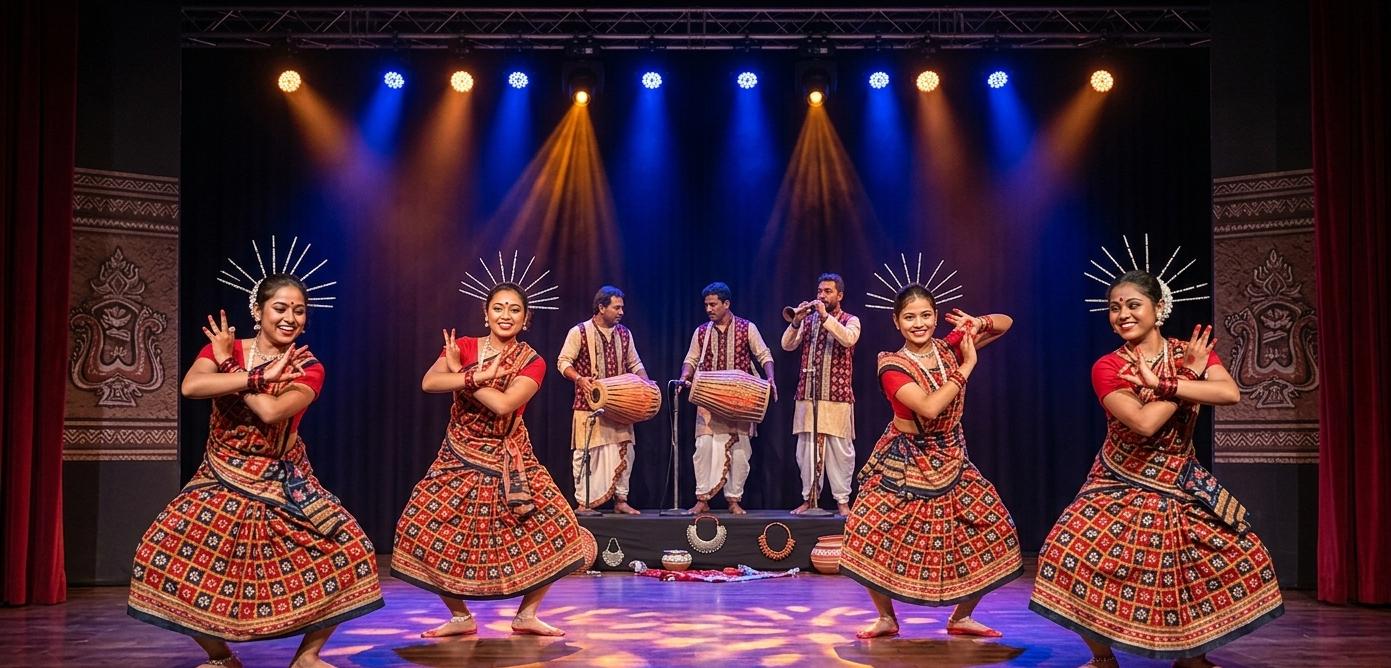
Sambalpur: A Tapestry of Culture and Craft
Sambalpur’s cultural landscape is as diverse as it is vibrant. Home to various communities, the city celebrates pluralism through its festivals, cuisine, and art forms. Its renowned handloom textiles, particularly Sambalpuri sarees, are a symbol of centuries of craftsmanship and creativity. The city’s forts, temples, and historical landmarks further reflect its rich heritage, offering glimpses of the architectural brilliance and storied past of the region.
Jungle Drums: The Pulse of Tradition
Jungle drums are an inseparable part of Sambalpur’s cultural identity. Originating from tribal communities, these drums serve as instruments of communication, celebration, and spiritual connection. Crafted from wood, animal skins, and natural fibers, they embody generations of expertise and artistry.
Historically, the rhythmic beats carried messages across villages, transcending language barriers. During harvest festivals, weddings, and tribal rituals, each drumbeat tells a unique story. Decorated with motifs inspired by local flora and fauna, jungle drums are both musical instruments and artistic expressions, reflecting the creativity and identity of Sambalpur’s communities.
Handloom Weaving: Threads of Legacy
Handloom weaving in Sambalpur is a timeless craft that blends artistry, culture, and heritage. Weavers use cotton and silk, dyed with natural pigments from local plants and minerals, to create textiles with intricate patterns and symbolic designs. Each saree or fabric carries a story, capturing folklore, spirituality, and local aesthetics.
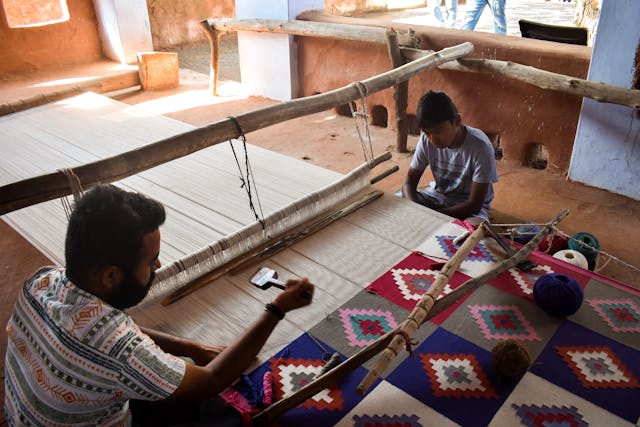
Beyond their visual appeal, these textiles support thousands of families and strengthen community identity. The rising demand for sustainable, ethically produced fabrics has brought Sambalpuri handlooms recognition at both national and international levels. For the artisans, weaving is more than work—it is a way of preserving a legacy while expressing creativity.
The Symphony of Music and Weaving
In Sambalpur, music and weaving are deeply intertwined. The rhythmic sounds of jungle drums guide the weaver’s hands, inspiring patterns and motifs that echo the natural surroundings. Communal weaving sessions often feature music, fostering collaboration and creativity. This unique interplay of sound and craft illustrates how different forms of art converge to define Sambalpur’s cultural identity.
Festivals: Celebrating Art and Tradition
Sambalpur’s festivals are vivid celebrations of its artistic heritage. The Mukteshwar Dance Festival showcases traditional forms like Ghumura, Dulduli, and Dalkhai, accompanied by jungle drum rhythms. The Sambalpuri Mela highlights handloom products while featuring folk music, live performances, and workshops, allowing artisans and performers to engage audiences directly.
Nuakhai, the harvest festival, emphasizes communal harmony and gratitude, with traditional songs, dances, and Dalkhai performances at its core. These festivals not only preserve cultural practices but also foster pride, community, and a sense of continuity among generations.
Challenges in Preserving Traditions
Despite its vibrant legacy, Sambalpur’s traditional arts face modern challenges. Urban migration, technological distractions, and the prevalence of mass-produced goods have reduced engagement with traditional music and weaving. Younger generations are less inclined to continue these practices, and artisans often struggle to maintain livelihoods in competitive markets.
Addressing these challenges requires awareness campaigns, market support, and the integration of contemporary designs with traditional techniques. Promoting sustainability—such as using natural dyes—helps preserve artistry while meeting modern ecological and consumer expectations.
Voices of the Artisans
The true heartbeat of Sambalpur is in its artisans, musicians, and dancers. Weavers craft textiles that embody generations of skill and storytelling, while performers of Dulduli and Dalkhai preserve folk traditions through movement and rhythm. These creators are not only safeguarding heritage but also inspiring future generations to value and participate in their cultural roots.
Conclusion
Sambalpur is a city where the rhythm of jungle drums meets the artistry of handloom weaving, creating a living cultural tapestry. Its festivals, music, and textiles reflect a community that celebrates heritage while adapting to contemporary life. By supporting artisans and honoring traditional practices, we ensure that the soul of Sambalpur continues to resonate for generations, keeping the vibrant heartbeat of Odisha alive.

Leave a Reply