
Puri, Oct 24: Traditional foods associated with Odisha’s sacred Kartik month appear to be losing their place in the daily observances of some devotees, with declining demand for Habisa Dalma and Agasti Saga raising concerns about the preservation of the state’s religious culinary heritage.
Representational Image
Servitors associated with the preparation and sale of food offerings at the Ananta Vasudeva Temple in Puri say changing food preferences and evolving lifestyles have gradually altered the way devotees observe Mahakartika Brata. Dishes once considered essential to the month-long religious practice are now attracting fewer buyers.
Traditional Dietary Practices Gradually Changing
According to Mahasuara servitors, devotees observing the brata followed strict rules about food, clothing and rituals around 15 years ago. Their daily routines were guided by established religious customs, including specific restrictions on what they ate and how they consumed prasad.
Over time, however, some of these practices have become less common. The servitors say the change is particularly visible in the demand for traditional Kartik dishes.
Habisa Dalma, once widely prepared and sold for devotees observing the brata, is now available from far fewer vendors. According to the servitors, only two vendors continue to sell the dish, compared with the larger number who offered it in the past.
Vendors have also begun adapting their preparations to changing preferences among devotees.
Habisa Dalma: A Simple Dish With Religious Significance
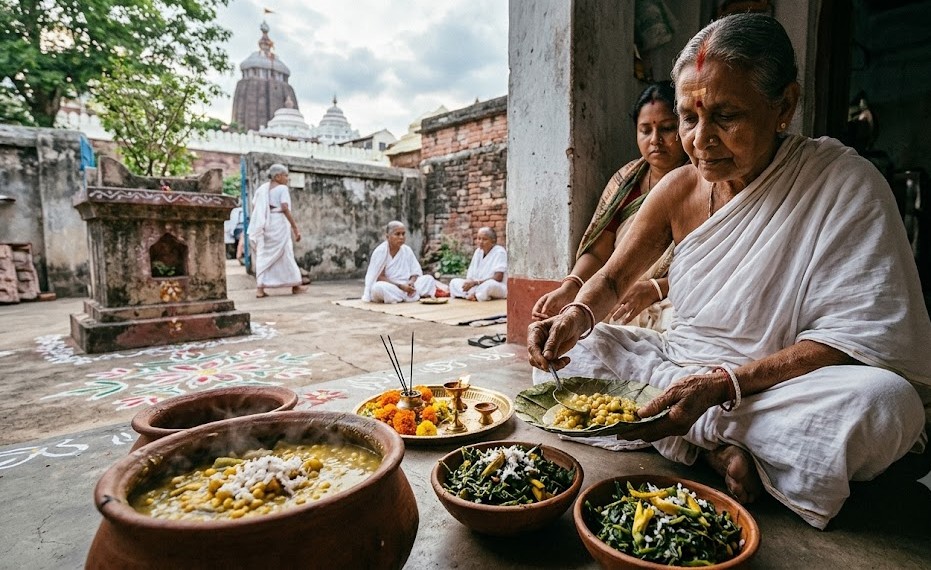
Traditionally, Habisa Dalma is prepared without tempering, using ingredients such as moong dal, raw banana, colocasia and elephant apple. Cumin and black pepper powder are added in small quantities for flavour.
The dish forms part of the traditional food practices followed during Mahakartika Brata, when devotees observe religious discipline and consume prescribed foods as part of their spiritual routine.
Traditionally, devotees would eat their prasad only once a day while following various dietary restrictions. Some practices were observed with particular strictness, with servitors recalling that certain devotees would stop eating if they heard a dog barking or noticed what they considered an inauspicious sign during a meal.
Such accounts illustrate the depth of ritual discipline associated with the observance in earlier years.
Agasti Saga Losing Its Place on the Traditional Plate
Agasti Saga, or agasti greens, is another food traditionally associated with Kartik Brata. It is commonly prepared with moong dal and without tempering, in keeping with the simple cooking methods followed during the observance.
The greens are also associated with Sage Agastya and carry a place in traditional beliefs about food and health.
However, servitors say some devotees now consume only two or three leaves of Agasti Saga to fulfil the ritual requirement rather than including it as a regular part of their meal.
Although traditional Ayurvedic accounts attribute health benefits to the plant, specific medicinal claims require scientific evidence and should not be treated as established medical facts.
The reduction in consumption has prompted concern among those involved in preparing traditional offerings, who fear that the dish could gradually disappear from everyday Kartik observances if fewer devotees continue to seek it.
Temple to Serve Habisa Dalma Throughout Kartik
Despite the decline in demand, Habisa Dalma will continue to be available at Ananta Vasudeva Temple during the month, according to Abhijit Garabadu.
He said the dish would be served from Monday, October 26, to cater to devotees observing the brata.
Mahakartika Brata begins on October 26 this year. Devotees will worship Rai Damodara throughout the observance, culminating in Panchuka—the final five days of Kartik month—when special worship of Baga-Baguli is also observed.
The period holds considerable religious importance in Odisha, drawing devotees who follow traditional rituals, dietary restrictions and devotional practices.
Preserving Odisha’s Religious Food Heritage
The changing popularity of Habisa Dalma and Agasti Saga reflects a broader challenge facing traditional food customs: maintaining long-established practices as lifestyles and preferences evolve.
For servitors and vendors, these dishes are more than everyday meals. They are part of the cultural and religious identity of Kartik Brata, connecting food preparation with devotional discipline and inherited customs.
As the observance begins this year, the continued availability of these traditional foods offers devotees an opportunity to maintain those practices. Whether younger generations and changing consumer preferences will sustain demand remains an open question.
The concern among servitors is that, without continued participation by devotees, distinctive foods associated with Mahakartika may gradually lose their place in the rituals they have long accompanied.
Leave a Reply