Media coverage is the process of sharing information about a business, its offerings, or initiatives through different channels. This includes traditional platforms such as newspapers, television, and radio, as well as online outlets like websites, blogs, and news portals. Social media has become a critical part of this landscape, enabling businesses to communicate directly with audiences in real time.
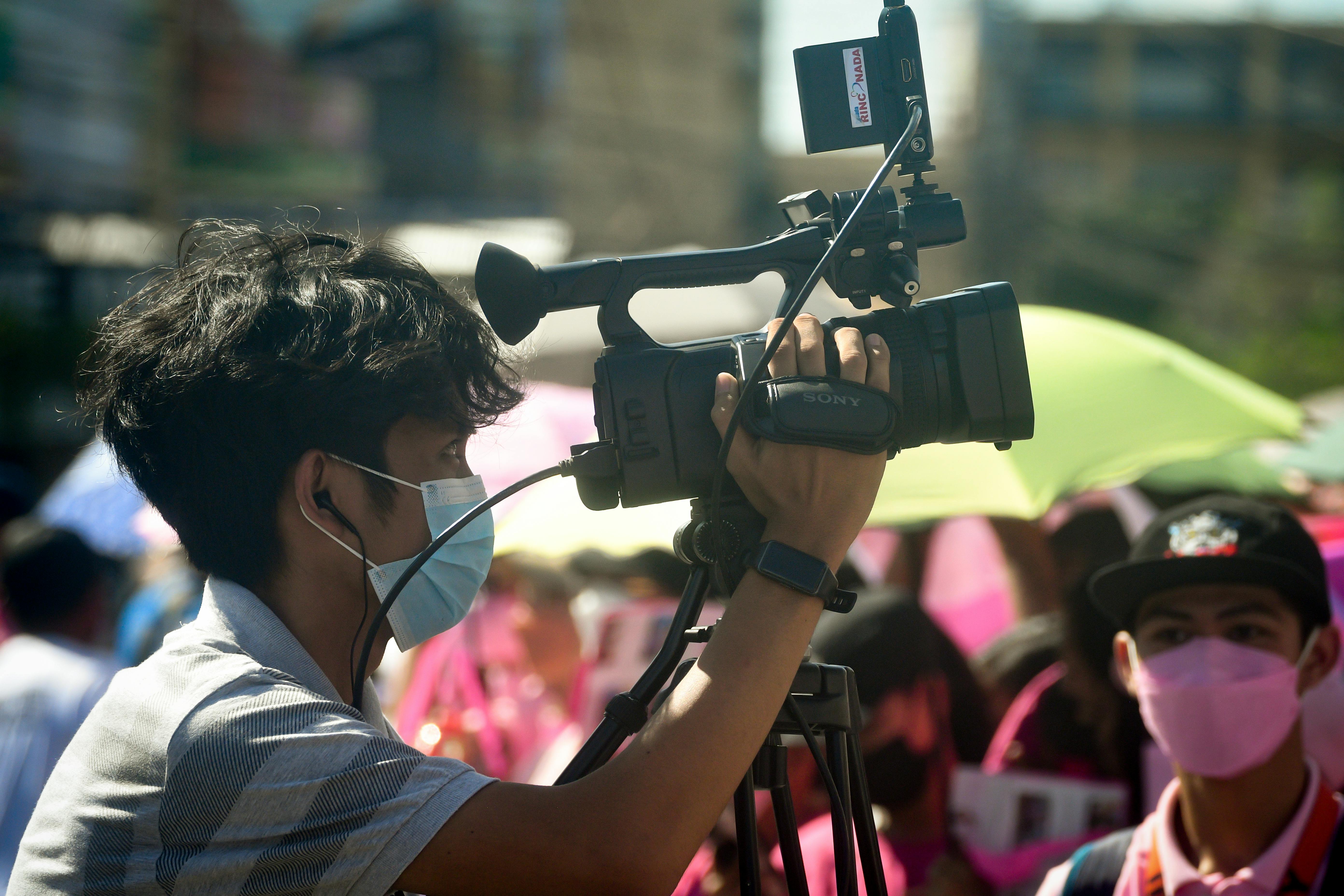
For companies, media coverage goes beyond simple visibility. It builds credibility, strengthens reputation, and fosters customer trust. Being mentioned in respected media outlets signals reliability and authority, which can influence consumer decisions.
Why Media Coverage Is Important
Media coverage is important because it informs the public, shapes opinions, and raises awareness about events, issues, or achievements. Partnering with the best media coverage company helps organizations and individuals reach a wider audience, build credibility, and influence decision-making. Effective media coverage can drive social change, attract support, and ensure transparency by keeping people informed about what is happening locally and globally.
Identifying Your Audience
A successful media strategy begins with knowing who the business wants to reach. Understanding the audience’s demographics—such as age, location, and interests—enables companies to tailor messages effectively.
Analyzing customer behaviors, feedback, and engagement patterns helps determine which platforms and media types resonate best. Keeping up with emerging trends also ensures that media strategies remain relevant as audience preferences evolve.
Creating a Compelling Story
Storytelling is central to attracting media attention. An engaging narrative helps a business connect with audiences on a personal level.
To build an effective story:
- Emphasize what makes the business unique
- Include real-life examples or customer experiences
- Keep language simple and concise
- Relate the story to current trends or issues
A well-crafted story draws journalists’ interest and increases the likelihood of media coverage.
Building Relationships with Media Professionals
Strong relationships with journalists and influencers are critical for sustained media visibility.
- Network Proactively: Attend events and engage online with media professionals
- Maintain Contact: Follow up respectfully and consistently
- Provide Value: Offer data, insights, or expert commentary relevant to their audience
Being seen as a reliable and valuable source increases the chances of coverage and long-term media partnerships.
Leveraging Press Releases
Press releases remain a vital tool for sharing business news.
Effective press releases include:
- Clear, attention-grabbing headlines
- A concise opening paragraph outlining essential details
- Supporting information with quotes for credibility
- A brief overview of the company
Distributing releases through multiple channels—including online platforms and social media—maximizes reach and impact.
Measuring the Effectiveness of Media Coverage
Tracking the impact of media exposure helps businesses refine their strategies.
Important metrics include:
- Website Traffic: Visitor increases after media mentions
- Social Media Engagement: Likes, shares, and comments
- Sales Performance: Changes in conversions and revenue
Analyzing these indicators helps businesses understand what works and where adjustments are needed.
Handling Negative Coverage
Negative media attention can affect reputation, but proactive management can mitigate damage.
- Respond quickly and transparently
- Acknowledge issues and explain actions being taken
- Use multiple channels to communicate clearly
- Maintain honesty to rebuild trust
Effectively managing criticism can strengthen credibility and show accountability.
Real-World Examples of Success
Businesses that leverage media effectively often see rapid growth:
- Subscription Services: Viral campaigns can generate massive awareness and customer growth.
- Online Marketplaces: Engaging stories and influencer collaborations expand reach and build trust.
- Socially Responsible Brands: Aligning media messaging with company values strengthens brand loyalty and attracts positive attention.
Strategic media use not only enhances visibility but also creates long-term customer relationships.
Conclusion
Media coverage is a key driver of business growth. It improves brand recognition, builds trust, and opens new opportunities. By understanding audiences, telling compelling stories, fostering media relationships, and tracking results, businesses can maximize the benefits of media exposure.
In today’s competitive environment, effective media strategies are essential for sustained success and market expansion.

Leave a Reply